
Treatments
Rethinking Gender in Massage Therapy
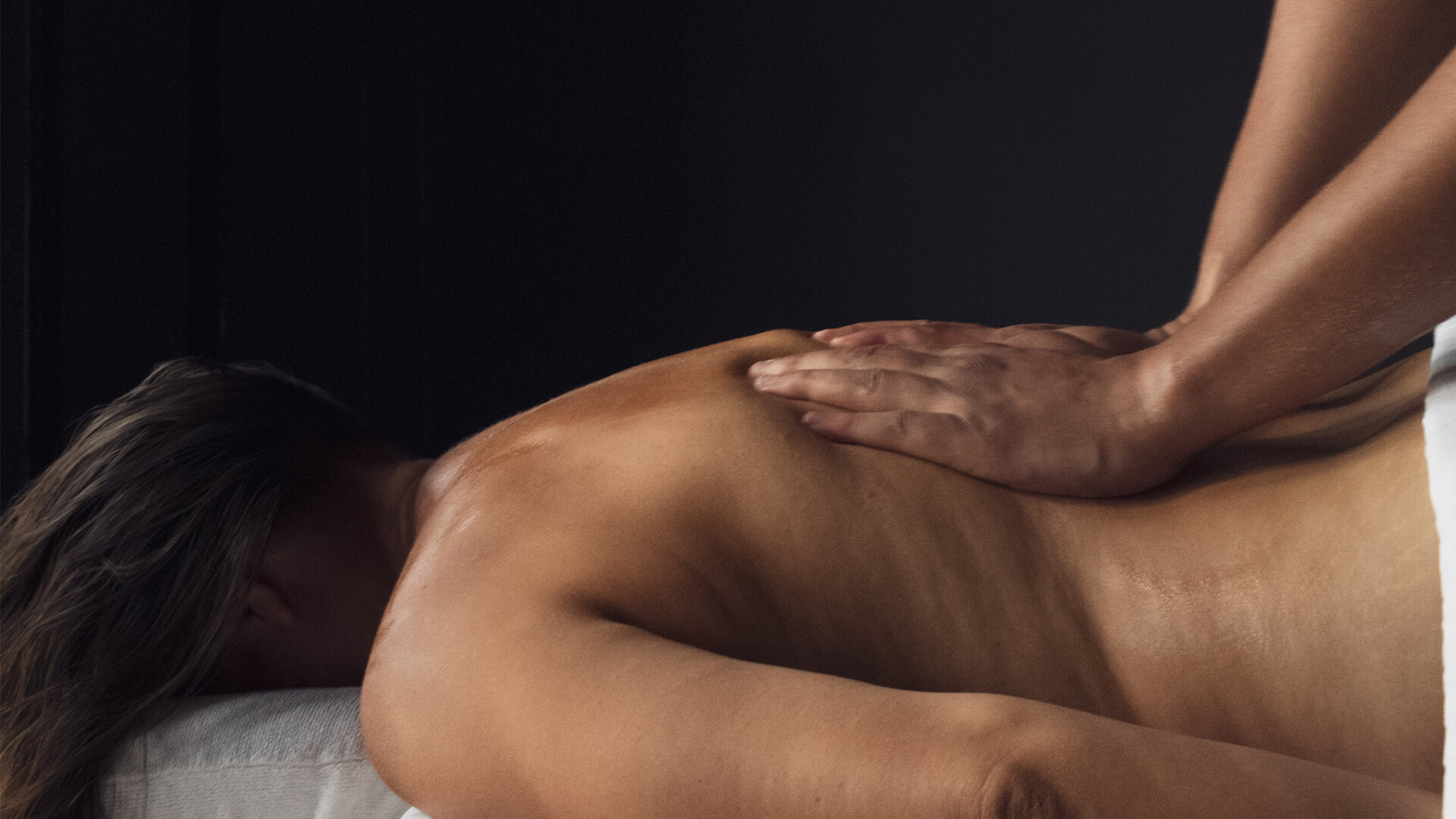
Massage therapy is, by nature, a service that requires a certain level of intimacy between the therapist and the client. Before the massage even begins, the choice of massage therapist who will guide this moment of relaxation can sometimes trigger gender stereotypes and lead to a biased perception of massage therapy. In a delicate but essential approach, Bota Bota aims to break these taboos in order to offer its guests a wider range of possibilities when it comes to choosing a massage therapist.
A practice rooted in kindness
Pascal Rousseau, a massage therapist at Bota Bota for many years, first developed his expertise through his training as an actor. “I learned my first massage techniques during body awareness workshops at theatre school.” When he practices his craft, he takes on a role that is very close to his heart. “I discovered that I have a strong ability to listen,” a valuable asset that helps him quickly understand his clients’ needs. “Fully inhabiting the role of massage therapist is very important,” kindness is at the core of this profession.
From the very first handshake, trust begins to form: “I always look the client in the eyes and make sure to be reassuring.” Pascal always guides his clients to the opposite side of the massage table to create space between them, allowing each person to maintain their personal bubble. “It helps preserve professional distance.” He addresses everyone formally and uses their full name: “These small attentions and approaches can help avoid unintentionally creating an inappropriate or overly familiar atmosphere.”
The most important task of a massage therapist is to understand the client’s needs, and Pascal incorporates this into his daily practice: “Every body is different, every interaction is different, and by definition, every need is different.” This often involves specific areas of the body to treat: “Through the draping, there’s nothing erotic. The body is material to work with, to relieve—it’s a comprehensive form of care.” It requires total surrender with someone you trust. Without that trust, the massage cannot work to its full potential.
Creating a safe space for all
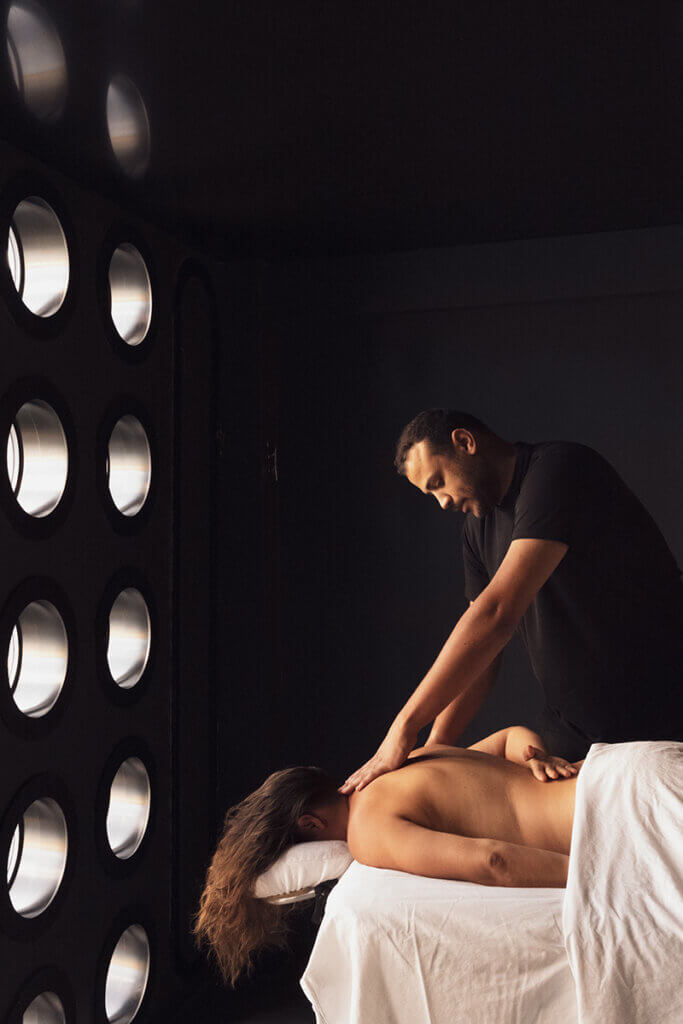
Massage therapy is a profession that is often gendered in the collective imagination—a reality Pascal fully understands: “It’s such an intimate form of contact that as a client, you can’t help but be affected by it. The massage therapist’s role, whether male or female, is to break down barriers and help the person feel comfortable and safe.” The first impression, the eye contact, and the overall attitude are the main pillars of building a healthy and trusting relationship. “All of that has to come without judgment. You never know what someone else has been through.”
To help educate clients and guide them toward a more informed choice, Pascal believes that only time and kindness can make a difference: “We can’t change people, but we can help them change—one massage at a time. When I’m with someone who seems hesitant, whether slightly or strongly, to be massaged by a man, I challenge myself to make them want to choose a male therapist the next time they get a massage.” He laments the negative or ambiguous situations that some individuals exploit: “It’s upsetting, and it undermines everything we work for every day.” For Pascal, communication before the massage is the most important part of the entire experience: “It prevents misunderstandings or surprises. That way, everyone knows what to expect.”
On such a delicate subject as the gender of the massage therapist, Pascal is fully aware that each client comes to Bota Bota with their own unique personal experience. “I respect everyone’s decisions, I’m not here to judge or to convince anyone.” This approach, both altruistic and professional, truly reflects the atmosphere onboard. Well-being and relaxation begin with respect for Others.